
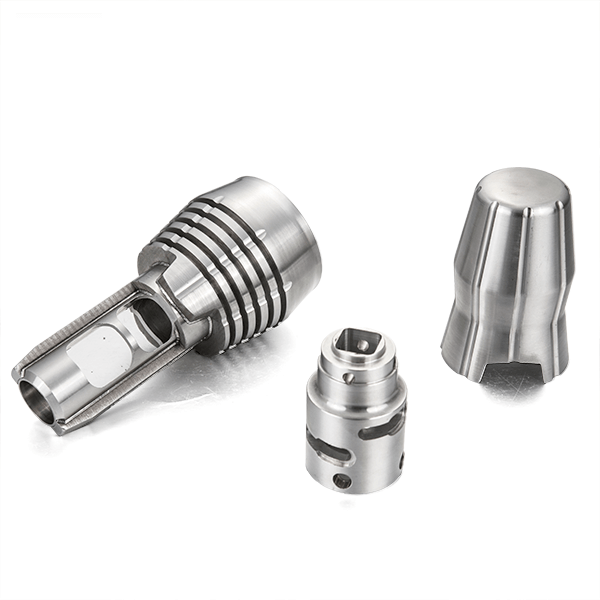
In the evolving landscape of fire safety infrastructure, OEM manufacturers specializing in hydrant pit box enclosure kits are playing a pivotal role in enhancing durability, functionality, and safety standards. These manufacturers, leveraging cutting-edge technologies and comprehensive industry expertise, are pushing the boundaries in the design and production of hydrant pit box enclosures—critical components that protect fire hydrant valves and mechanisms installed below ground.
### Industry Context and Importance of Hydrant Pit Box Enclosure Kits
Hydrant pit box enclosures are essential protective casings installed around underground fire hydrant valves. They shield the sensitive valve mechanisms from external elements such as dirt, water ingress, corrosion, and mechanical impact, ensuring reliable operation during emergencies. Moreover, these enclosures facilitate easy access for maintenance and inspection, fundamental for the safety and operational readiness of fire protection systems.
With the ever-increasing urbanization and expansion of fire safety guidelines, the demand for robust, durable, and corrosion-resistant hydrant pit box kits is witnessing significant growth worldwide. OEM manufacturers, with their specialized expertise in metal fabrication and precision engineering, continue to improve product designs that meet stringent industry standards.
### Key Drivers of Innovation in OEM Hydrant Pit Box Enclosure Kits
One of the notable OEM manufacturers, Ningbo Jiangbei XinYe Metal Works Co., Ltd., established in 1996, exemplifies the technological competencies and manufacturing capacities that define this specialized field. The company has built a strong reputation due to its diversified capabilities in CNC machining, aluminum alloy forging, wax die stainless casting, extrusion and stamping, as well as anodizing and E-polish surface treatment. These processes are crucial for producing high-quality, long-lasting hydrant pit box enclosures.
**Advanced Manufacturing Techniques**
The integration of CNC machining ensures precise and consistent fabrication, which is critical for components that must fit perfectly and function reliably in red-alert scenarios. Aluminum alloy forging offers light-weight yet sturdy materials resistant to weathering, corrosion, and mechanical stress, which are vital features for outdoor applications.
Wax die stainless casting is another process enabling intricate part designs and robust construction, particularly useful in manufacturing complex hydrant box structures that require both durability and aesthetic appeal. Extrusion and stamping processes further enhance production efficiency while maintaining tight tolerances and improving surface finishes.
**Surface Treatment Expertise**
Hydrant pit box enclosures are often exposed to harsh environmental conditions such as moisture, salt, and UV radiation. Therefore, surface treatment techniques like anodizing and E-polish finishing are instrumental in extending the service life of the components. Anodizing increases corrosion resistance and surface hardness, while E-polish (electro-polishing) enhances smoothness and removes microscopic surface defects, improving both protective properties and appearance.
### Enhancing Industry Standards and Customization
OEM manufacturers are not only focusing on mass production but also on customization to accommodate varied client specifications, geographic conditions, and compliance with local regulatory standards. The combination of material science, precision manufacturing, and surface engineering positions these companies as strategic partners for fire safety product developers and municipal contractors.
Ningbo Jiangbei XinYe Metal Works Co., Ltd. stands out for its proactive approach toward client collaboration, offering tailored solutions that meet specific fire safety system requirements. Their extensive experience since 1996 has equipped them with profound knowledge of market trends, material performance, and quality control protocols.
### Environmental and Economic Considerations
Manufacturing hydrant pit box enclosure kits also involves conscious environmental and economic decision-making. By employing durable aluminum alloys and corrosion-resistant stainless steel components, OEM producers ensure that the lifecycle of fire safety infrastructure is extended. This reduces the frequency of replacements and associated environmental waste, contributing positively toward sustainability goals.
Additionally, efficient production methods like extrusion and CNC machining optimize material usage and energy consumption, making the manufacturing process more sustainable and cost-effective. Companies that integrate such methodologies are better positioned to deliver value-driven products without compromising environmental stewardship.
### Future Outlook and Industry Impact
The OEM hydrant pit box enclosure kit market is poised for continued growth and innovation, driven by increasing urban development and the imperative for enhanced fire safety protocols. As technological advancements surface—such as the integration of smart sensors for real-time monitoring—OEM manufacturers will likely expand their portfolios to include more intelligent and multifunctional enclosure systems.
Furthermore, ongoing research into advanced materials such as composite alloys and nanocoatings promises to revolutionize the durability and functionality of hydrant pit boxes. Collaborations between manufacturing experts and fire safety engineers will be essential to developing smarter, more reliable, and environmentally friendly enclosure kits.
### Conclusion
In summary, the role of OEM hydrant pit box enclosure kit manufacturers is crucial in reinforcing the backbone of urban fire safety infrastructure. Companies like Ningbo Jiangbei XinYe Metal Works Co., Ltd. exemplify industry leadership through their comprehensive manufacturing capabilities that include CNC machining, aluminum alloy forging, wax die stainless casting, extrusion and stamping, coupled with advanced surface treatments such as anodizing and E-polishing.
Their dedication to quality, customization, and innovation not only ensures that fire hydrant systems remain functional and protected but also contributes to broader goals like sustainability and cost efficiency. As fire safety standards evolve and urban environments become more complex, the continued advancement and specialization in OEM hydrant pit box production will remain indispensable for safeguarding communities worldwide.